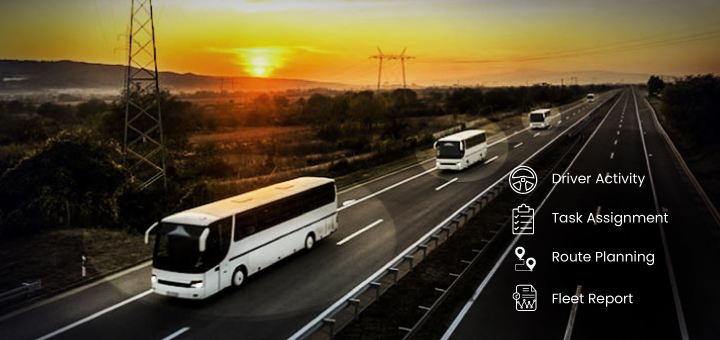
Fleet management has changed more in the last few years than in the decade before. The rise of connected devices, smart sensors, and real-time data is reshaping how fleets work every day. This shift is known as IoT fleet management, and it is helping companies run safer, faster, and more cost-efficient operations.
If you work with vehicles, manage transport activity, or operate delivery or logistics services, this guide will help you understand how IoT technology affects modern fleet management, why it matters, and what to expect in the future.
What is IoT?
IoT (Internet of Things) simply means everyday devices that can connect to the internet and share data automatically.
For example:
- A GPS tracker sending a vehicle’s location
- A ticket machine updating sales in real time
- A sensor reporting fuel level or engine health
If a device can collect data, send it online, and help you take action without manual work, it’s part of IoT.
What Is IoT Fleet Management?
IoT fleet management uses connected IoT sensors, smart devices, and online platforms to monitor and control fleet vehicles in real time. These tools collect data about vehicle health, location, driver behavior, fuel usage, and many other factors. The data then travels through secure IoT connectivity to a cloud system, where fleet managers can see everything on a dashboard.
This means a manager no longer depends on guesswork, manual calls, or irregular updates. With IoT integration, the entire fleet operation becomes transparent and easy to monitor.
Why IoT Matters for Fleet Management Today
Transport and logistics have become more competitive and complex in the present time. Customers expect fast delivery. Vehicles need to stay on the road longer. Fuel prices rise frequently. Safety rules keep changing.
These challenges push businesses to adopt tools that increase operational efficiency.
And IoT addresses the exact challenges with appropriate solutions. With IoT fleet management, data becomes the core driver. Vehicles are connected to systems. Systems are connected to drivers. Managers get the right information at the right time. Businesses save money, improve safety, and reduce downtime.
This is why the global fleet management market has been growing rapidly, and IoT adoption continues to rise in logistics, public transport, commuting fleets, ride-sharing, and industrial operations.
How IoT Works in a Modern Fleet
IoT is simple at its core. You place an IoT device or sensor inside a vehicle. That device collects data and sends it over the internet to a management platform. The platform then turns the raw data into meaningful insights.
Here’s a breakdown of how today’s IoT system supports fleet management:
1. Data Collection
Sensors collect information such as:
- Vehicle location
- Speed and braking patterns
- Fleet performance and engine metrics
- Fuel burn, idle time, and fuel usage
- Driver actions and driver behavior
- Inside-cabin safety alerts
2. Data Transmission
The collected data goes through secure channels using mobile networks, satellite systems, or other data transmission methods, ensuring live updates.
3. Data Analysis
The platform processes the data, identifies patterns, and provides alerts when:
- The vehicle needs to stop for maintenance soon
- Fuel consumption is higher than normal
- Unusual driving behavior is detected
- Vehicle health issue is found
4. Real-Time Action
Thanks to IoT fleet management, operators can act immediately to:
- Improve route optimization
- Prevent breakdowns with predictive maintenance
- Boost fleet safety
- Optimize routes to cut fuel costs up to 25%
- Check vehicle tracking and confirm arrival times
These steps together make IoT one of the most powerful fleet management solutions available today.
The Real Benefits of IoT in Fleet Management
Let’s look at how businesses gain value when they use a fleet management system supported by IoT.
1. Real-Time Fleet Tracking
Live fleet tracking or IoT fleet tracking lets fleet operators know the exact position of every vehicle. Real-time maps help reduce delays, avoid traffic, and confirm delivery schedules. This level of accurate vehicle tracking improves planning and customer service.
2. Improved Driver performance and Safety
IoT makes driving pattern easy to monitor. Sudden braking, harsh turns, over-speeding, etc., trigger alerts to fleet managers. By monitoring, managers can coach drivers to improve driver safety and reduce accident risks. Safe driving also means extended vehicle life and lower insurance costs.
3. Predictive Maintenance for Less Downtime
In the traditional system, the user waits for a breakdown before sending the vehicle to maintenance. But IoT allows predictive maintenance, which finds small issues before they become big ones. Sensors track engine health, temperature, tyre pressure, and vibration. When the data shows a risk, the system warns the manager to schedule maintenance.
This keeps vehicles on the road more often and cuts repair costs.
4. Better Fuel Efficiency and Fuel Management
IoT helps you monitor fuel efficiency, idle time, and refueling pattern. Managers can reduce waste by improving fuel management strategies. Small improvements in driving habits and route planning save large amounts of money over time.
5. Smarter Route Optimization
Live data helps fleet managers decide the fastest and safest route. They can optimize routes during bad weather, heavy traffic, or emergencies. This supports timely deliveries and better use of staff and vehicles.
6. Stronger Operational Efficiency
IoT tools improve decision-making at every level. The fleet becomes more predictable, more measurable, and easier to control. This raises the overall efficiency of operations and reduces daily workload for fleet managers.
7. Advanced Asset Tracking
Many companies not only track vehicles but also track goods, equipment, and important shipments. With IoT-based asset tracking, businesses can avoid loss, damage, and theft.
Key Components of an IoT Fleet Management System
A complete IoT fleet management solution includes:
- IoT devices for collecting data
- GPS modules for location tracking
- Dashcams for safety monitoring
- Sensors for measuring fuel, temperature, vibration, and pressure
- Cloud dashboards for analysis
- Mobile apps for drivers and fleet managers/agents
With these tools working together, a fleet management solution becomes more powerful and easier to use.
Driver App Benefits: Solving 7 Major Problems for Bus Drivers
IoT in Transport Operations: How Smart Systems Support Ticketing and Fleet Control
IoT technology is becoming essential for fleets that run scheduled routes, intercity transport, daily passenger services or shuttle services.
Connected devices share real-time trip data such as route progress, stop arrivals, delays, and vehicle health updates. Transport companies can integrate this data with digital ticketing software, such as CWTicketing, to help operators manage buses, assign vehicles, and keep services running efficiently.
Fleet operators can use IoT alerts to plan quick replacements when a vehicle has an issue, track fuel patterns, and improve driver behavior. This reduces service interruptions and helps transport companies deliver a better travel experience for passengers.
Benefits of CWTicketing’s Smart Fuel Management Feature
Tips for Implementing IoT in Fleets
IoT can improve your fleet operations, but the setup works best when you plan it well. These simple tips help businesses adopt IoT smoothly and get real value from it.
1. Set Clear Goals: Identify what you want to improve first — fuel usage, driver behavior, or vehicle health.
2. Pick Reliable Devices: Choose IoT devices and sensors that fit your fleet needs and offer accurate data, easy installation, and good support.
3. Use a Scalable Fleet Management Platform: Select a system that grows with your fleet and turns data into clear, useful insights.
4. Train and Engage Drivers: Explain how IoT helps with safety and smoother trips. Engaged drivers support the system more actively.
5. Make IoT Data Part of Daily Work: Use alerts and reports to plan maintenance, update schedules, and improve routes. IoT is useful only when the data is applied.
6. Keep Data and Connections Secure: Use updated software and secure networks to protect sensitive fleet data.
7. Start Small and Expand Gradually: Begin with a small group of vehicles, test the system, and scale up step by step for a smooth deployment.
The Future of IoT and Fleet Management
The future combines smart software, AI, deeper automation, and connected vehicles. AI will soon analyze patterns automatically, suggest schedules, detect risks, and improve decisions faster than humans can.
As IoT grows, we will see more:
- Autonomous vehicle support
- Smarter electric vehicle management
- AI-powered safety analysis
- Fully automated monitoring
- Better sustainability reporting
As you can see, IoT and fleet management will become even more connected and intelligent in the coming years.
Frequently Asked Questions
How does IoT impact fleet management?
IoT makes fleets more efficient, predictable, and cost-effective. It reduces downtime, improves safety, and gives managers real-time visibility of every vehicle.
How does predictive maintenance work using IoT in fleet management?
Sensors monitor engine health, temperature, vibration, and other signs. When the system detects early signs of trouble, it alerts managers so they can fix the issue before a breakdown happens.
How does IoT improve driver safety and compliance monitoring in fleets?
IoT tracks speeding, harsh braking, sharp turns, and other unsafe actions. Managers use this data to coach drivers and improve safety. Alerts also warn drivers during risky situations.
Can IoT fleet management solutions scale effectively for both small and large businesses?
Yes. Small fleets can start with basic tracking and add more features over time. Large enterprises can manage thousands of devices with centralized platforms. IoT scales well for fleets of any size.


Leave a Reply